Waterstruck or Hand-Moulded Bricks: What Are the Differences?
Facing bricks are available in different textures, but what exactly is the difference between a Wasserstrich brick and a hand-moulded brick? The difference lies in the manufacturing process. Each process leaves a distinctive pattern on the facing brick, or sometimes none at all.
Hand-Moulded Bricks
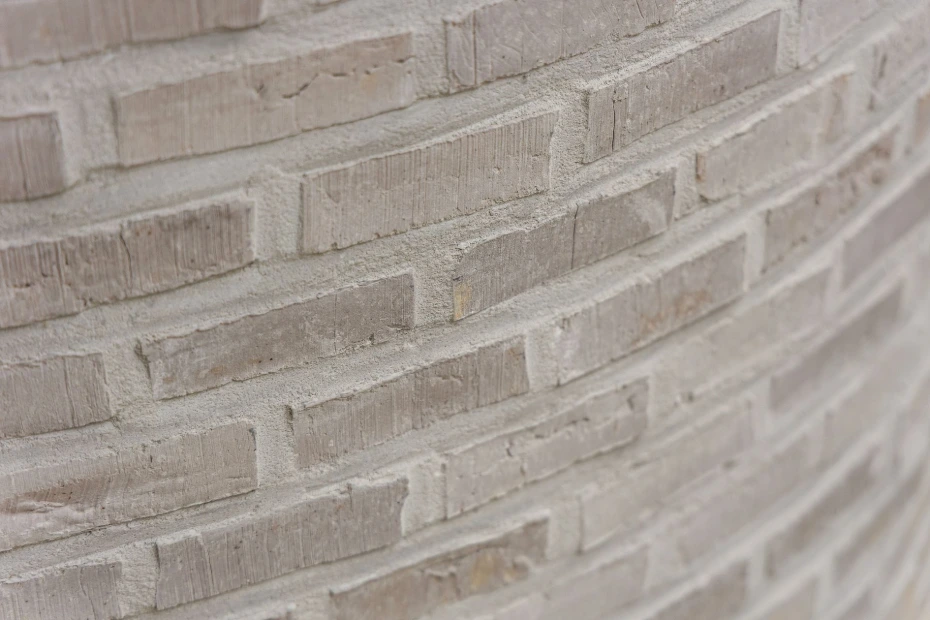
Hand-moulded bricks are characterized by distinctive grooves and textures. This gives the brick a weathered appearance with a robust character. Because of this aged look, the brick is ideal for creating a timeless, rugged façade or for renovating older houses. Hand-moulded bricks fit particularly well in traditional architectural settings.
During the production process, balls of clay are rolled in sand. This ensures that the clay can easily be removed from the mould. When the mould is lifted, some of the sand falls away, leaving behind the typical characteristic grooves of a hand-moulded brick.
The wet brick is then dried and fired in the kiln.
Waterstruck Bricks
Just like hand-moulded bricks, every Waterstruck facing brick tells its own story, this time about the journey of water and pure clay.
Waterstruck bricks generally have a fairly smooth texture and are known for their special natural mix of colours.
They can be used in a wide variety of designs, from robust and rustic to sleek and modern. In the production of hand-moulded and moulded bricks, sand is used before firing to prevent the clay from sticking to the mould. With Waterstruck bricks, however, no sand is used, water is used instead.
The water softens the clay, giving the brick a unique pattern when it is pressed through the table press. The result is a façade brick with a robust and natural appearance.
Moulded Bricks
Besides Waterstruck and hand-moulded bricks, there is also the moulded brick. This type of brick is used to create a very sleek and clean façade. The surface is smoother and the overall appearance is more defined and uniform.
Just like with hand-moulded bricks, the clay is sanded before firing. The clay is then pressed into the mould and struck off at the top. As a result, moulded bricks always have five sanded sides and one smooth, unsanded side.
In addition to the texture of a facing brick, several other factors influence the appearance of a façade, such as the jointing method, brick format, and colour combinations.